All articles
BLOG/Ideas

How Much Does It Cost to Create an Online Course in 2026?

Creating an online course can cost $0 or thousands of dollars. See a simple budget breakdown in US dollars, from free tools to paid platforms.

Sarah
Sarah
22 November 2026
How Much Does It Cost to Create an Online Course in 2026?

Creating an online course in 2026 can cost almost nothing if you use free tools and a free platform, or several hundred to a few thousand US dollars if you buy equipment, pay for design and use a paid course platform. Most first-time creators can start with $0 to $100 by using the laptop and phone they already own and a free platform like PivotWings.

The free route: $0 to $100

  • Course platform. Free option: PivotWings (free to join as a Guardian). Cost: $0.

  • Slides and worksheets. Free option: Canva, Google Slides, Google Docs. Cost: $0.

  • Outline and quiz ideas. Free option: ChatGPT or other AI tools. Cost: $0.

  • Live classes. Free option: Your laptop or phone. Cost: $0.

  • Simple microphone (optional). Free option: A clip-on mic. Cost: Around $20 to $50.

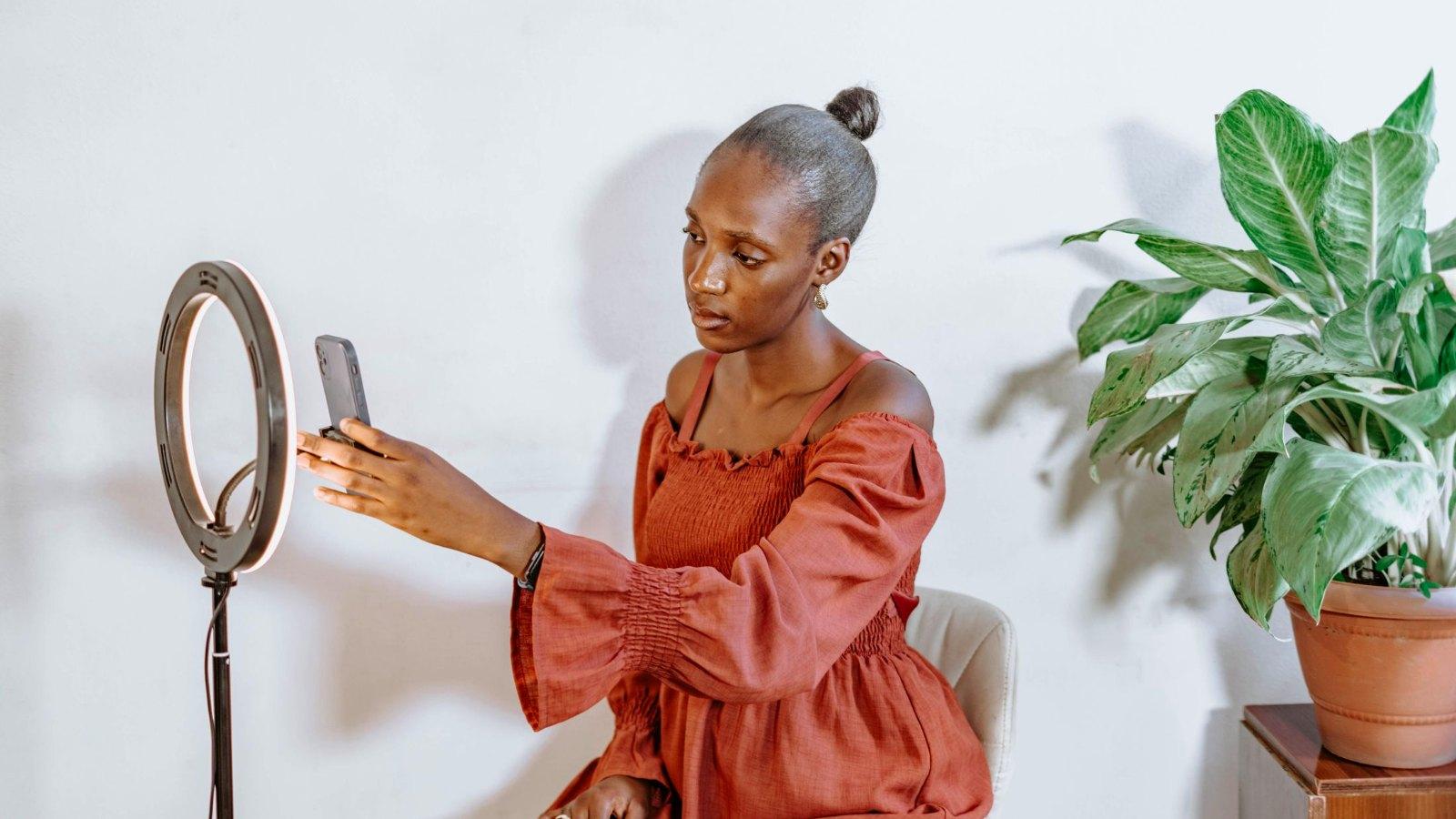
  • Ring light (optional). Free option: A basic desk ring light. Cost: Around $20 to $40.
Blog illustration 1

The paid route: $500 and up

Some creators choose to spend more on:

  • Paid course platforms. For example, Kajabi starts at $89 a month and Thinkific only offers paid plans.

  • Better equipment, such as a camera, quality microphone and lighting.

  • Design help for branded slides and course graphics.

  • Ads to promote the course.

These can help later, but none of them are needed to make your first sale.

The hidden cost: fees per sale

Some "free" platforms charge you on every sale. Teachable's free plan charges $1 plus 10% per sale, and Payhip's free plan charges 5%. Udemy keeps 50% or more of sales made through its marketplace. Always check how much of each sale you keep before you choose.

The biggest cost is your time

Expect to spend a few hours a week for 2 to 4 weeks on a short beginner course:

  • Planning the outline: 2 to 4 hours

  • Creating slides, worksheets and quizzes: 6 to 12 hours

  • Testing with first learners: 1 to 2 weeks

Blog illustration 2

How to keep your costs low

  • Start with a short course that solves one problem.

  • Use free tools and a free platform.

  • Run live classes before investing in polished materials.

  • Reinvest your first earnings into upgrades.

Frequently asked questions

Can I create an online course for free?

Yes. With a free platform like PivotWings and free tools like Canva and Google Docs, you can create and sell a course without spending money.

What is the most expensive part of creating a course?

For most beginners, it is time. Paid platforms and equipment are optional.

How much should I charge for my course?

Price based on the value of the result. See our guide on how to price your online course.

Start for free. Become a Guardian on PivotWings and publish your first course at no cost.

Related reading:

AUTHORED BY

Sarah

Sarah

@tech

ShareFacebookTwitterLinkedInWhatsApp