
Every week someone posts a list of jobs that AI will wipe out. It is stressful to read, and most of those lists are guesses. A more useful answer is this: no job is completely safe, but some kinds of work are much harder to automate than others.
This post from PivotWings, a career development platform, looks at three types of work that are likely to last, why, and what to do whatever your job is.
Which 3 jobs will survive AI?
Three kinds of work are hardest to automate: skilled trades such as electricians and technicians, healthcare and care roles such as nurses and caregivers, and jobs built on trust and relationships, such as teaching, coaching and senior sales. All three depend on physical presence, human judgment or trust.
Skilled trades and technicians
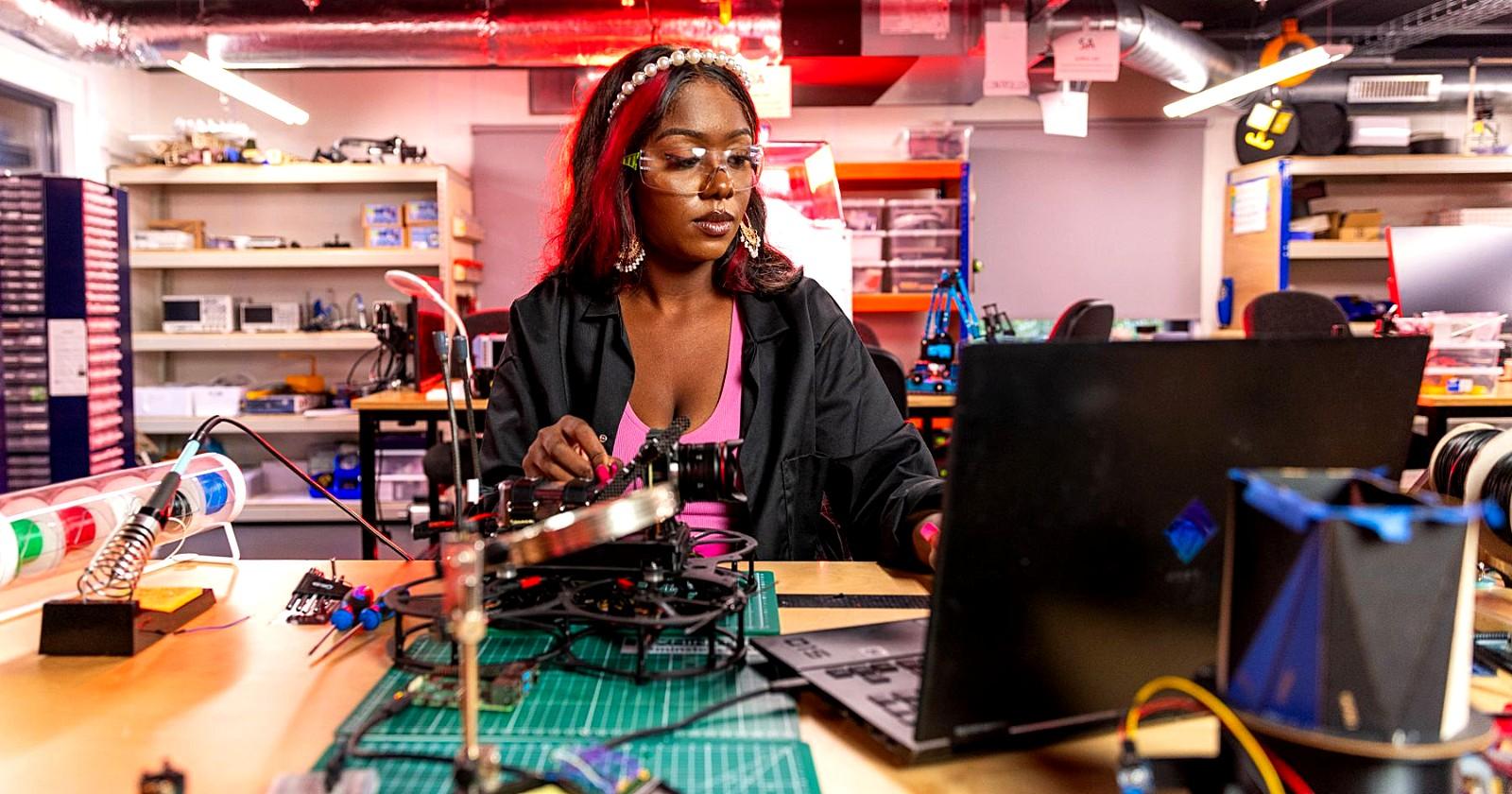
Electricians, plumbers, solar installers, mechanics and phone or appliance repair technicians work in messy real-world places. Every house, engine and wire is different. Software struggles with that variety, and customers want a person they can call back.
Demand for these skills also grows with new technology. Solar panels, electrical systems and smart devices all need someone to install and fix them.
Healthcare and care roles
Nurses, midwives, pharmacists, physiotherapists and caregivers combine technical knowledge with physical care and human reassurance. AI can help with records, scans and scheduling, but patients still need a person at the bedside. Health needs keep growing, and these jobs carry responsibility that people are slow to hand to a machine.
Jobs built on trust and relationships
Teachers, coaches, counsellors, senior sales professionals, community managers and people managers rely on trust. People buy, learn and change because someone they trust guided them. AI can draft the pitch or the lesson plan, but the relationship stays human.
Why other jobs are changing, not disappearing
Most jobs are bundles of tasks. AI takes over some of them, such as drafting, summarising, basic coding and data processing, and leaves others. Writers, designers, accountants, marketers and developers will still work, but the ones who use AI tools well will do more in less time and will be preferred.
Tasks that follow clear rules are the easiest to automate.
Tasks that need physical presence, judgment under uncertainty or a trusted relationship are the hardest to automate.
Jobs that mix both usually change shape instead of disappearing.
How can you protect your career from AI?
Learn the AI tools used in your field. Practise with them every week.
Build human skills that are hard to automate. Communication, judgment, leadership and problem solving.
Move toward tasks that need decisions and accountability, not only output.
Prove your skills with projects and results you can show, not only certificates.
Keep learning on a schedule so your skills do not go stale.
The Career Development page on PivotWings includes a career roadmap, learning for free with AI, and a skill test that shows where you stand. Start there to plan your next skills.
Frequently asked questions
Will AI take my job?
It may change parts of it. Jobs made mostly of repetitive, rule-based tasks are the most exposed. If your work needs judgment, trust or physical presence, you are better protected, and learning AI tools helps either way.
Which careers are safest for the next ten years?
No one can predict ten years with certainty. Skilled trades, healthcare and relationship-based careers have strong reasons to last, and people who keep learning will have more options in every field.
Should I learn to code to stay safe from AI?
Coding is useful, but AI can already write a lot of simple code. Understanding problems, checking code and working with people matter more. Learn it if you like it, not only out of fear.
What skills will always be in demand?
Communication, critical thinking, leadership, adaptability and the ability to learn new tools stay valuable in almost every field.
Your next step
Pick one AI tool used in your field and use it for a real task this week. Then open the Career Development page and take the skill test to see where you stand.
Related reading: Is It Harder for Gen Z to Get Jobs? and What Are the Three Things to Do First If You Lose Your Job?


